DALL-E Is Retired: How to Migrate to GPT Image 2
dall-e-2 and dall-e-3 are gone from the API as of May 12, 2026 — pick a target model, rebudget for tokens, and collect the edit-endpoint upgrade.
The retirement is final
On May 12, 2026, OpenAI removed dall-e-2 and dall-e-3 from the API, per the official API changelog. This is not a deprecation notice with a long sunset attached — the models are gone, and any integration still calling them gets errors instead of images. If you run a product, a content pipeline, or an internal tool built on DALL-E, migration stopped being optional that morning.
OpenAI's guidance names three migration targets: gpt-image-2, gpt-image-1, or gpt-image-1-mini. The replacement generation is not new, either — gpt-image-2 landed in the API on April 21, 2026, so the path is already well-trodden. This post is the playbook: which model to pick, what actually changes in your code and your bill, and the one capability upgrade that makes the forced move worth it.
Pick your migration target
The three official targets cover different budgets:
- gpt-image-2 — the current flagship and the default choice: the strongest instruction following and text rendering in the family, the new edit behavior, and flexible aspect ratios. Snapshot ID gpt-image-2-2026-04-21 if you want pinned, reproducible behavior.
- gpt-image-1 — the previous generation. Defensible if you already validated outputs against it and want the smallest behavioral change, but you give up the newest edit and aspect-ratio features.
- gpt-image-1-mini — the budget option for drafts, thumbnails, and high-volume jobs where per-image cost matters more than peak fidelity.
The endpoints will look familiar: gpt-image-2 is served through v1/images/generations and v1/images/edits, plus the newer v1/responses interface. If your DALL-E code already posts to the images endpoints, the migration is mostly a model-ID swap plus parameter updates — the request shape survives.
What changes: billing, sizes, and a 4K caveat
The biggest mental shift is billing. DALL-E charged a flat fee per image; gpt-image-2 is token-based: image input at $8 per million tokens ($2 per million when cached) and image output at $30 per million — an output rate $2 per million cheaper than gpt-image-1.5. In practice, the launch thread on Hacker News worked that out to roughly $0.006 to $0.211 per 1024x1024 image depending on quality tier, cheaper like-for-like than gpt-image-1.5. We keep the full cost math — token tables, worked examples at 100 and 1,000 images, DALL-E 3 comparisons — in our pricing deep-dive at https://gpt-img2.com/blog/gpt-image-2-api-pricing-2026, so this post will not duplicate it.
Two billing levers to know before you re-architect: the Batch API runs at a 50% discount, which is directly relevant if you are migrating a bulk DALL-E pipeline, and the quality tier moves your cost far more than resolution does — default low, escalate only when an asset demands it.
Sizes change too, for the better. DALL-E's fixed size list is gone, replaced by flexible aspect ratios from 3:1 wide to 1:3 tall. A 3072x1024 site banner is now one native generation instead of a generate-then-crop hack:
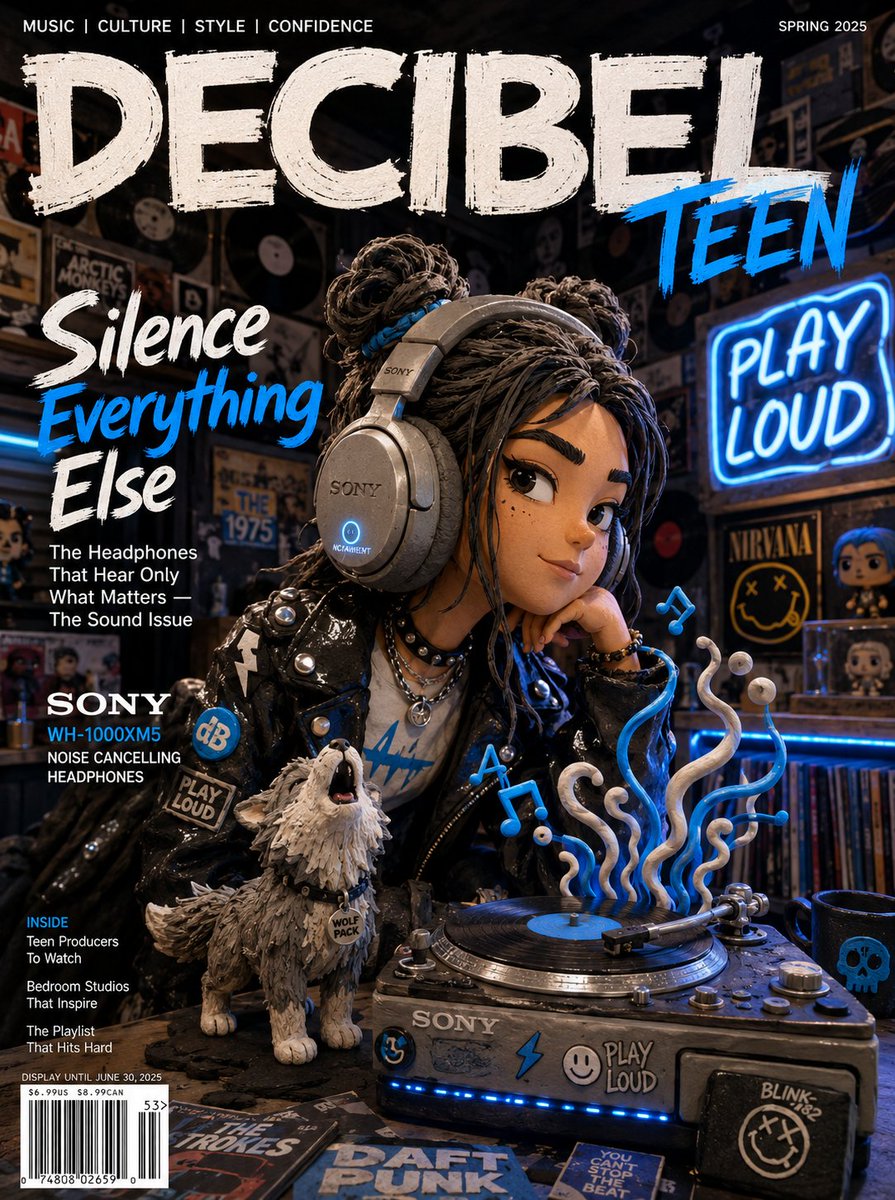
Wide website hero banner, 3:1 aspect ratio (3072x1024): minimal workspace scene — matte-black desk, warm desk lamp, open laptop showing a grid of generated images. Soft morning side light, muted teal-and-amber grade, generous negative space on the right for a headline. Headline text reading MIGRATE IN AN AFTERNOON in clean grotesque type, right-aligned. Avoid: clutter, watermark, garbled text.One caution on resolution: 4K (4096x4096) output entered beta in May 2026, but the standard tier is 2K and OpenAI does not recommend 4K for production yet. It is priced accordingly, too — Simon Willison reported 3840x2160 generations costing about $0.40 per image at 13,342 output tokens. Treat 4K as an experiment, not a default.
The edit endpoint is the real upgrade
If you only skim one section, make it this one. Editing was the weak point of the DALL-E era: ask for one change and the whole image drifted. gpt-image-2's edit endpoint fixes exactly that — high-fidelity input edits strictly preserve unedited regions, so a label swap no longer re-renders the entire product.
It also adds multi-reference compositing — send a product photo and a scene photo and the model merges them with correct lighting and perspective — and masks are optional rather than required, so you can describe an edit in plain language and let the model find the region. The demand signal is hard to miss: fal, Replicate, and WaveSpeed all shipped dedicated GPT Image 2 edit endpoints within days of launch.
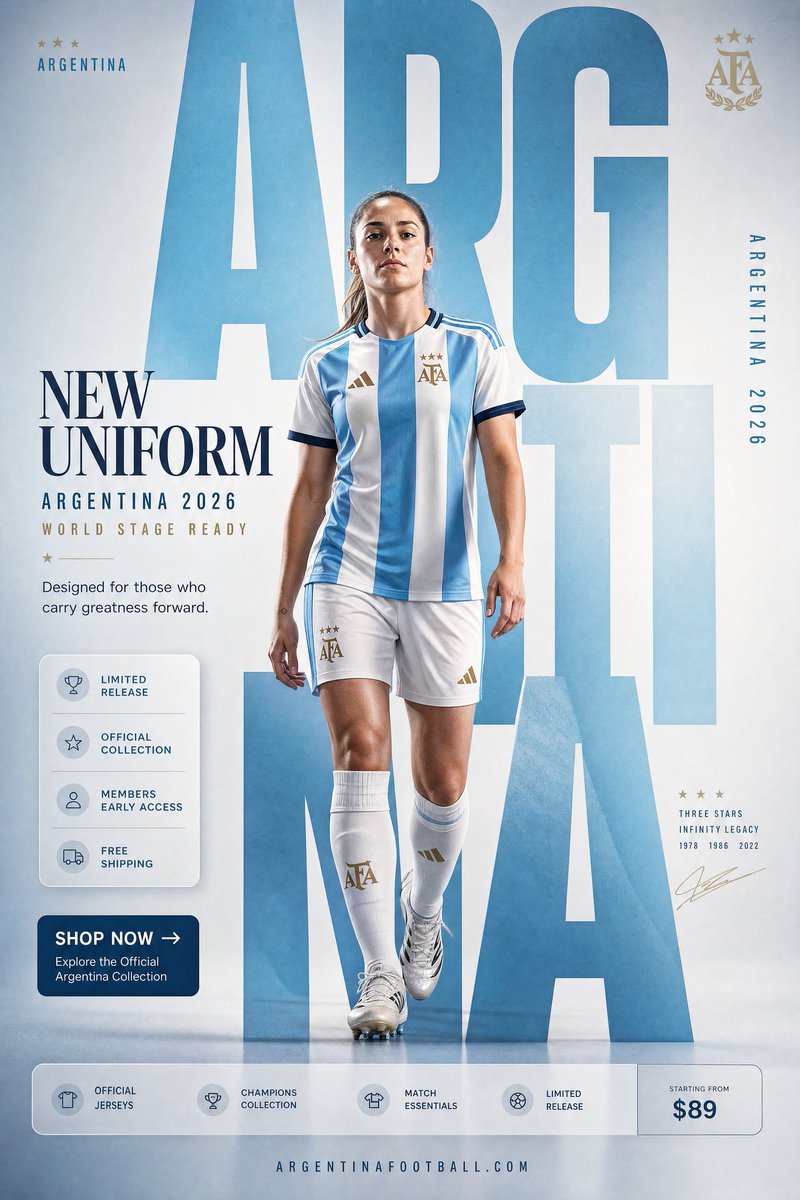
Edit instruction. Keep everything in the base image exactly as it is — composition, lighting, background, pose. Only change: replace the plain white mug on the desk with the ceramic mug from the second reference image, matched to the scene's warm side lighting and the desk's perspective. Do not alter any other object, shadow, or texture.If your DALL-E pipeline avoided the edit endpoint because it was unreliable, re-test it. This is the capability that turns a forced migration into an actual upgrade.
A migration checklist
For most integrations the mechanical work fits in an afternoon:
- Swap the model parameter to gpt-image-2, or pin the snapshot gpt-image-2-2026-04-21 for reproducible behavior.
- Replace fixed DALL-E sizes with the aspect ratio you actually want, anywhere from 3:1 to 1:3.
- Re-estimate cost under token billing — quality tier is the big lever — and confirm current rates on OpenAI's pricing page before committing a budget.
- Route bulk, delay-tolerant jobs through the Batch API for the 50% discount.
- Re-test every place you built workarounds for DALL-E's weak edits; the new edit endpoint probably deletes that code.
A side note for developers: gpt-image-2 also shipped into Codex on launch day, so you can generate assets inside coding sessions — with the community caveat that a Codex subscription does not include direct API endpoint quota. Useful for dev-time assets, not a substitute for the API in production.
Before touching integration code at all, pressure-test your prompt library in a browser — gpt-image-2's outputs differ enough from DALL-E that old prompts usually need a pass too. You can do that on gpt-img2.com, which is free to start with 20 credits on sign-up and no credit card required: run your old DALL-E prompts at https://gpt-img2.com and see what needs rewriting before you ship the migration.
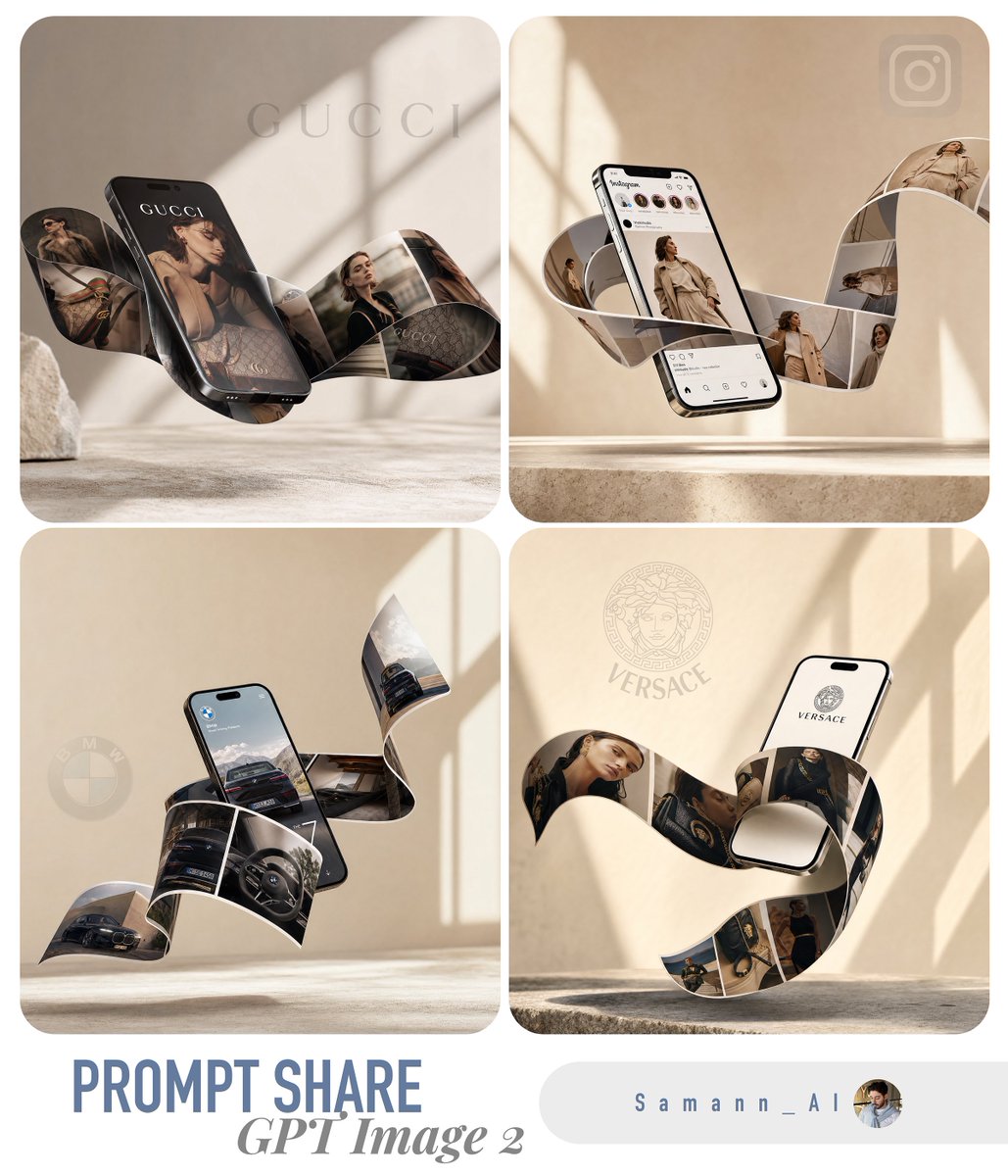
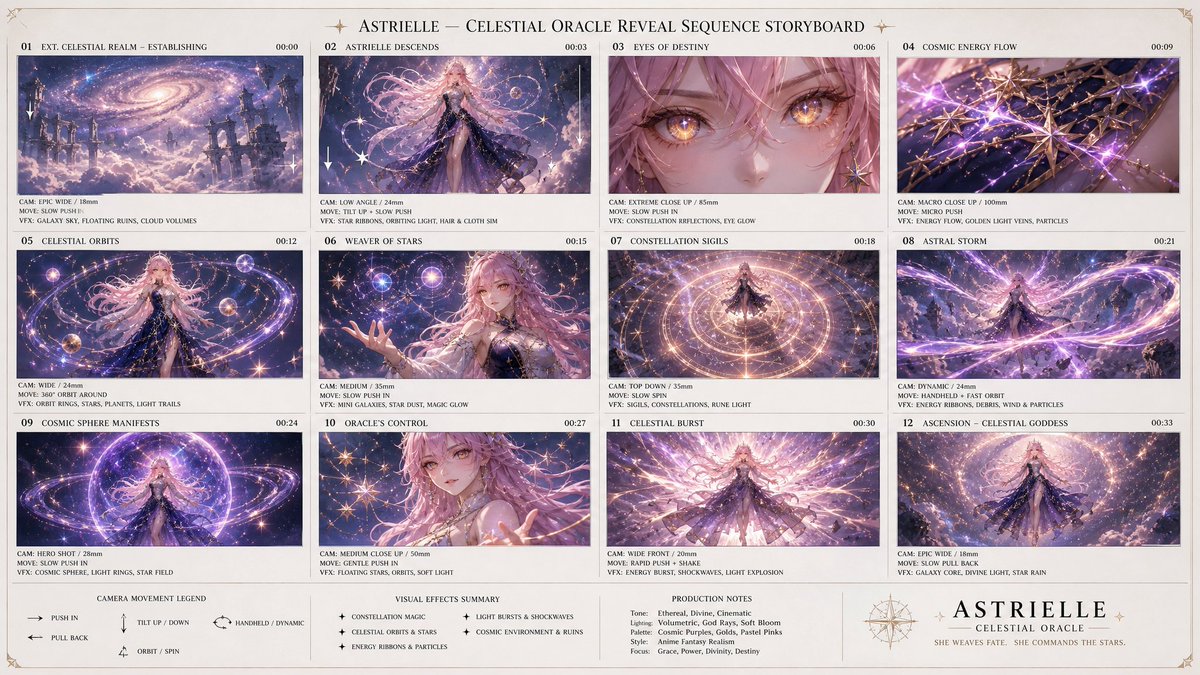
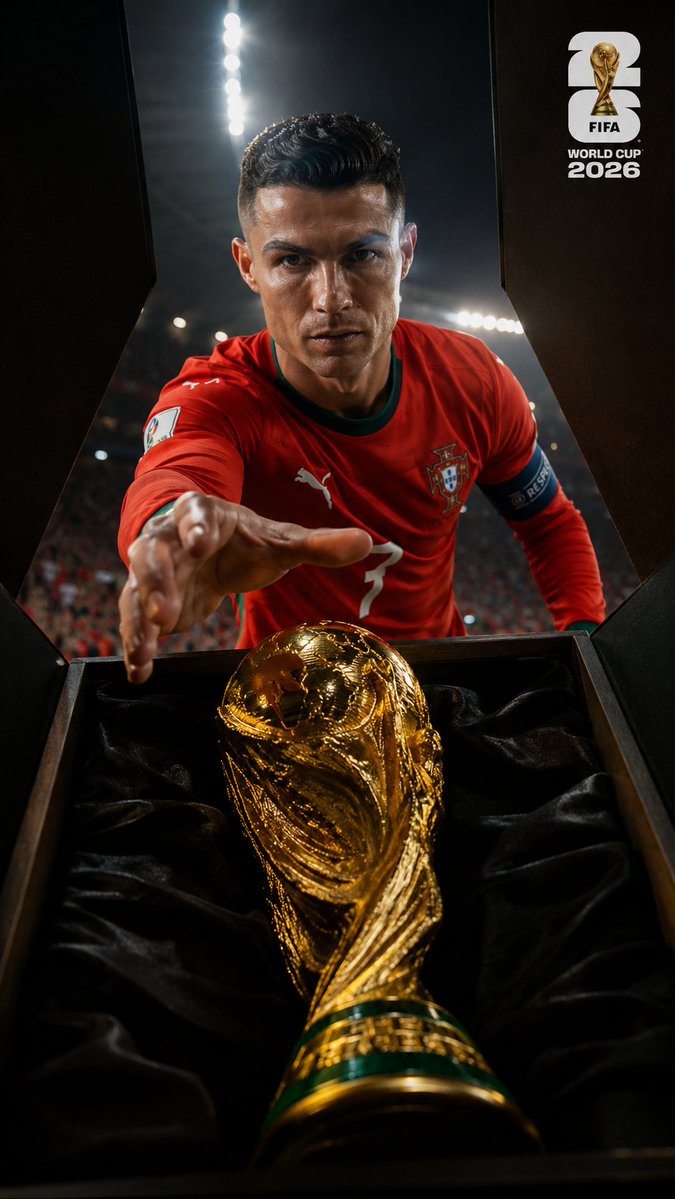
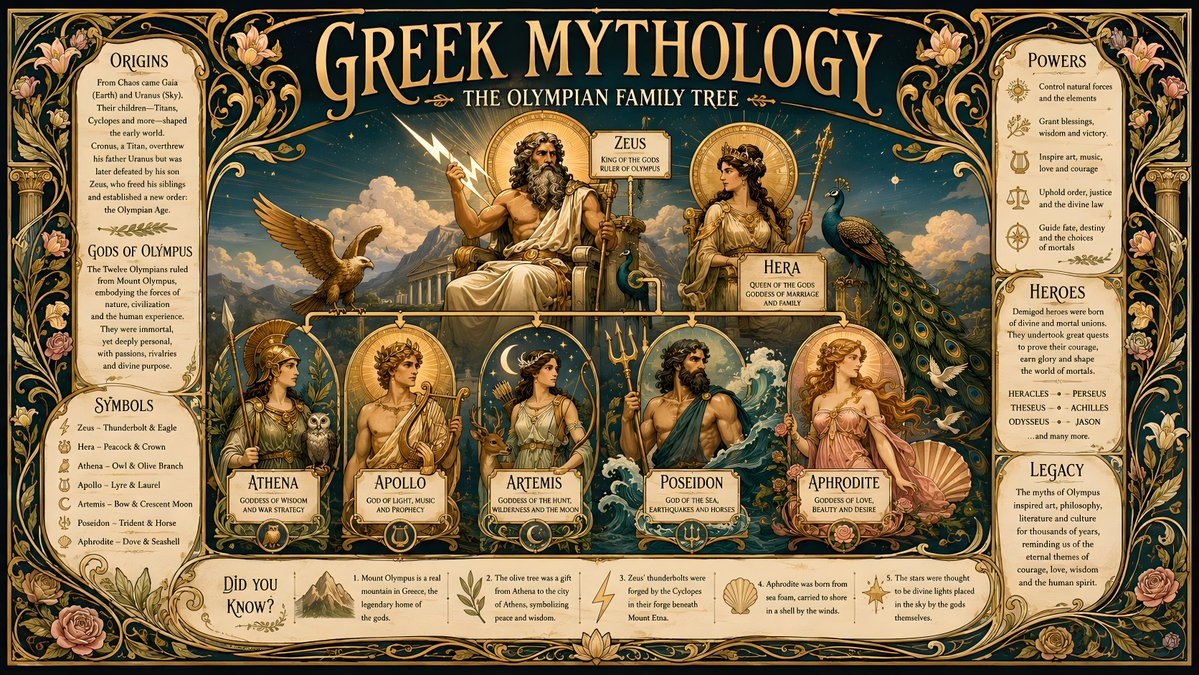
Try these GPT Image 2 prompts
Try these techniques now
Open the free GPT Image 2 generator and put this into practice — 20 free credits, no credit card.